History & identity
The layers that make Granada's soul unique.
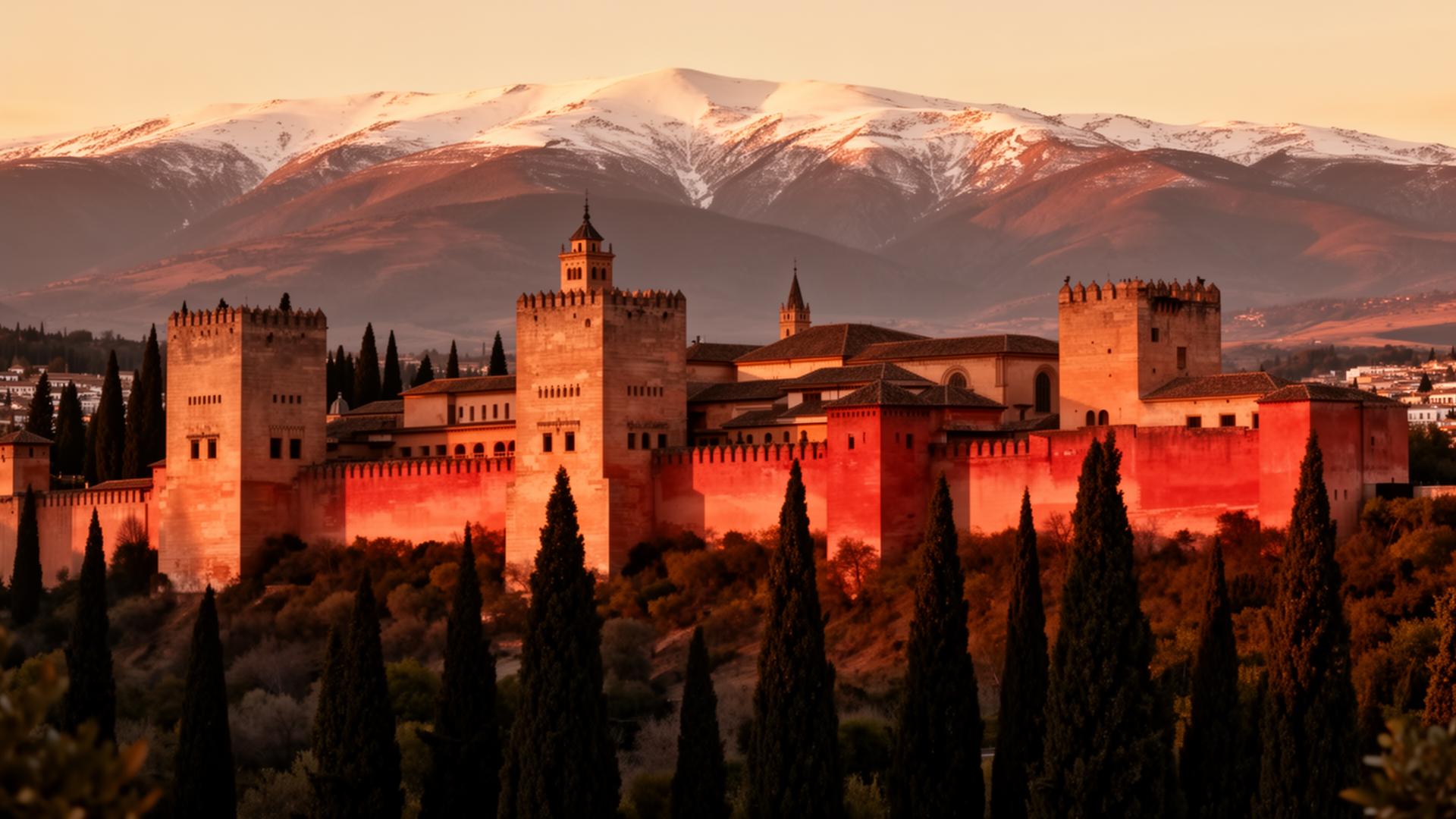
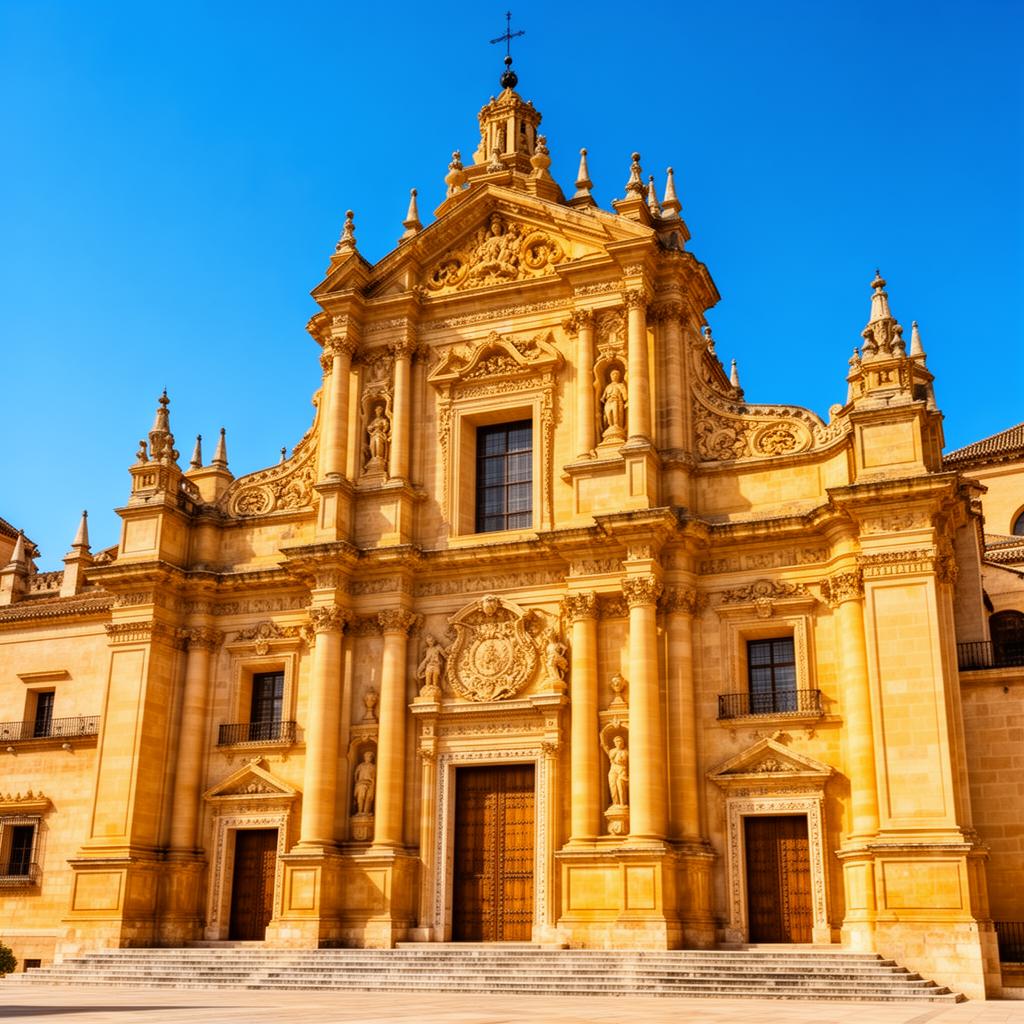
Granada cannot be read in a single layer. It was the capital of the last Andalusi kingdom on the peninsula, the stage of the 1492 surrender, a city of Moriscos and settlers, a laboratory of the Spanish Renaissance and, in the 20th century, the Granada of Federico García Lorca. Each quarter keeps one of those layers: the Albaicín preserves the Nasrid street plan, the Cathedral and Royal Chapel narrate the change of regime, Sacromonte explains Roma and flamenco Granada, and the Alhambra sums them all up.
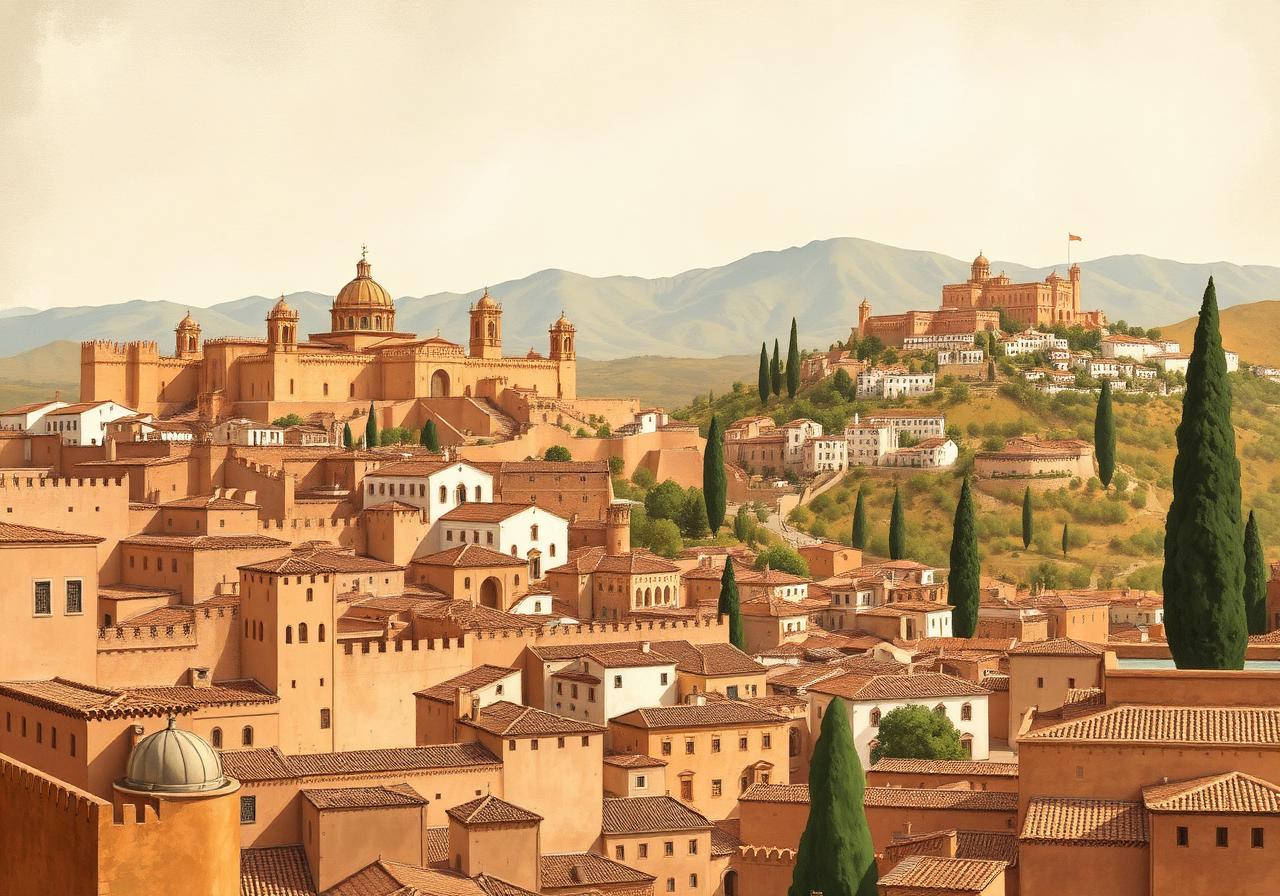
Nasrid Granada
The last great capital of Al-Andalus.
Read Nasrid Granada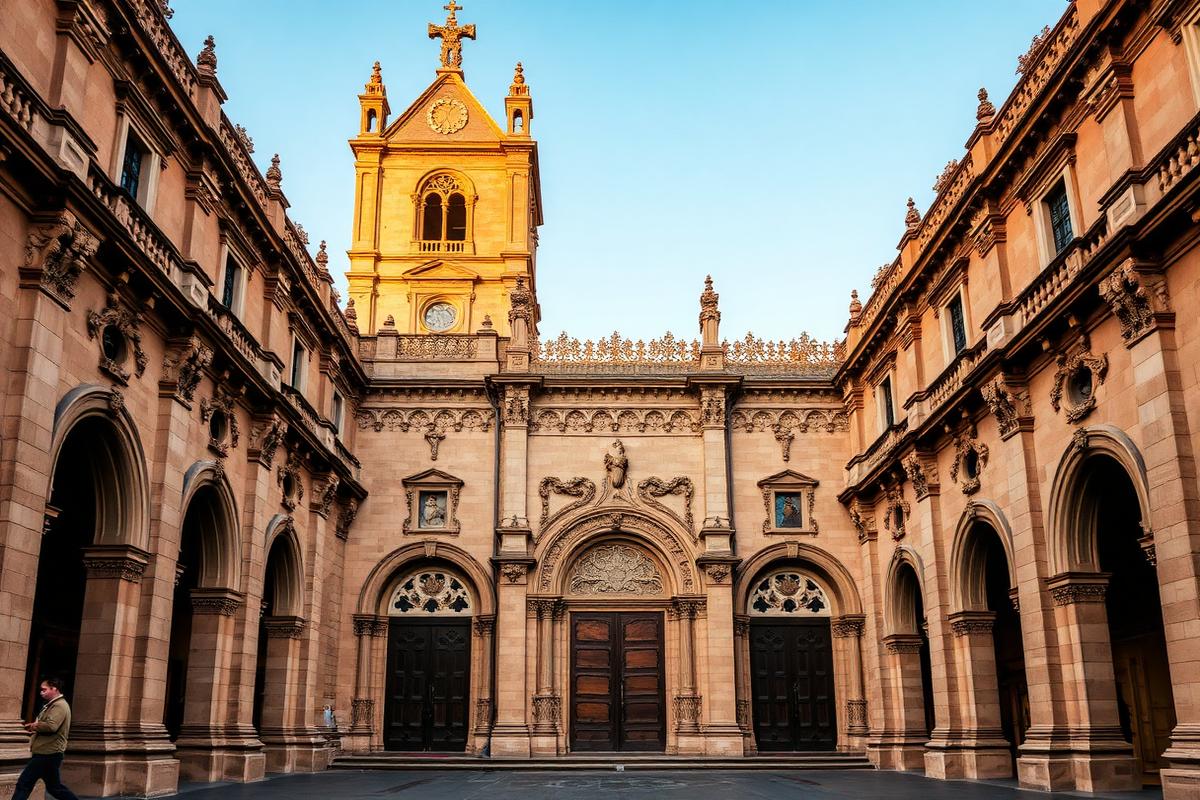
Christian Granada
The new capital after 1492.
Read Christian Granada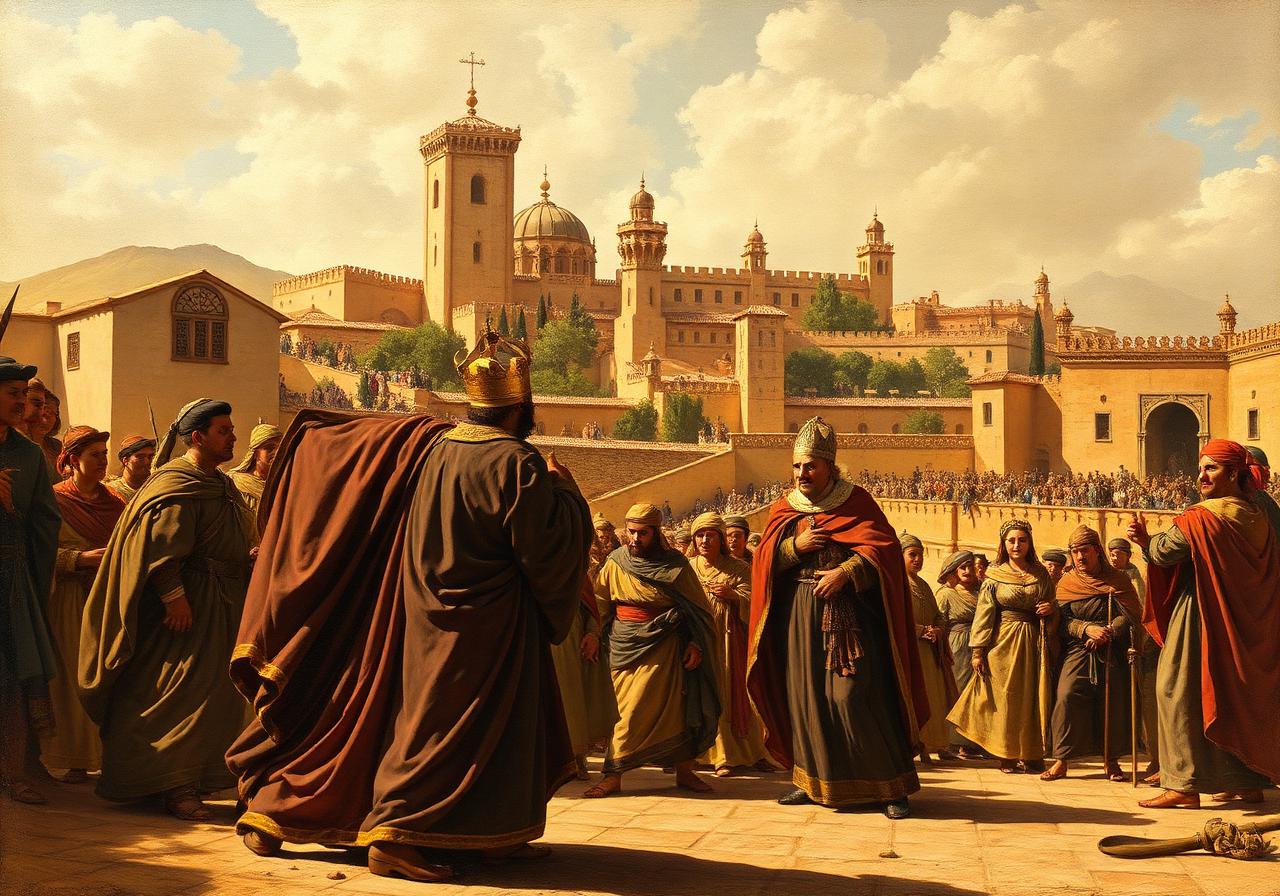
The fall of Granada
January 2, 1492: the end of Al-Andalus.
Read The fall of Granada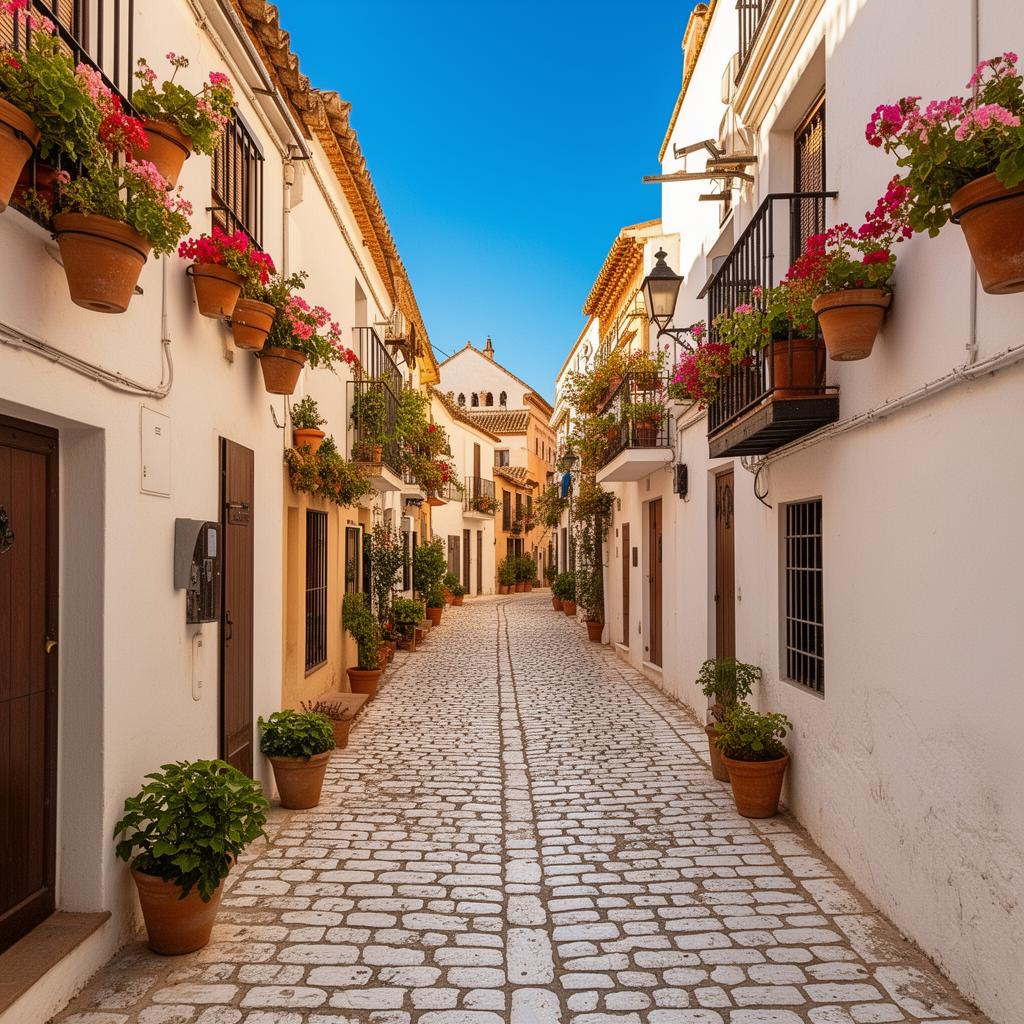
Albaicín and Sacromonte
The hills that preserve Granada's soul.
Read Albaicín and Sacromonte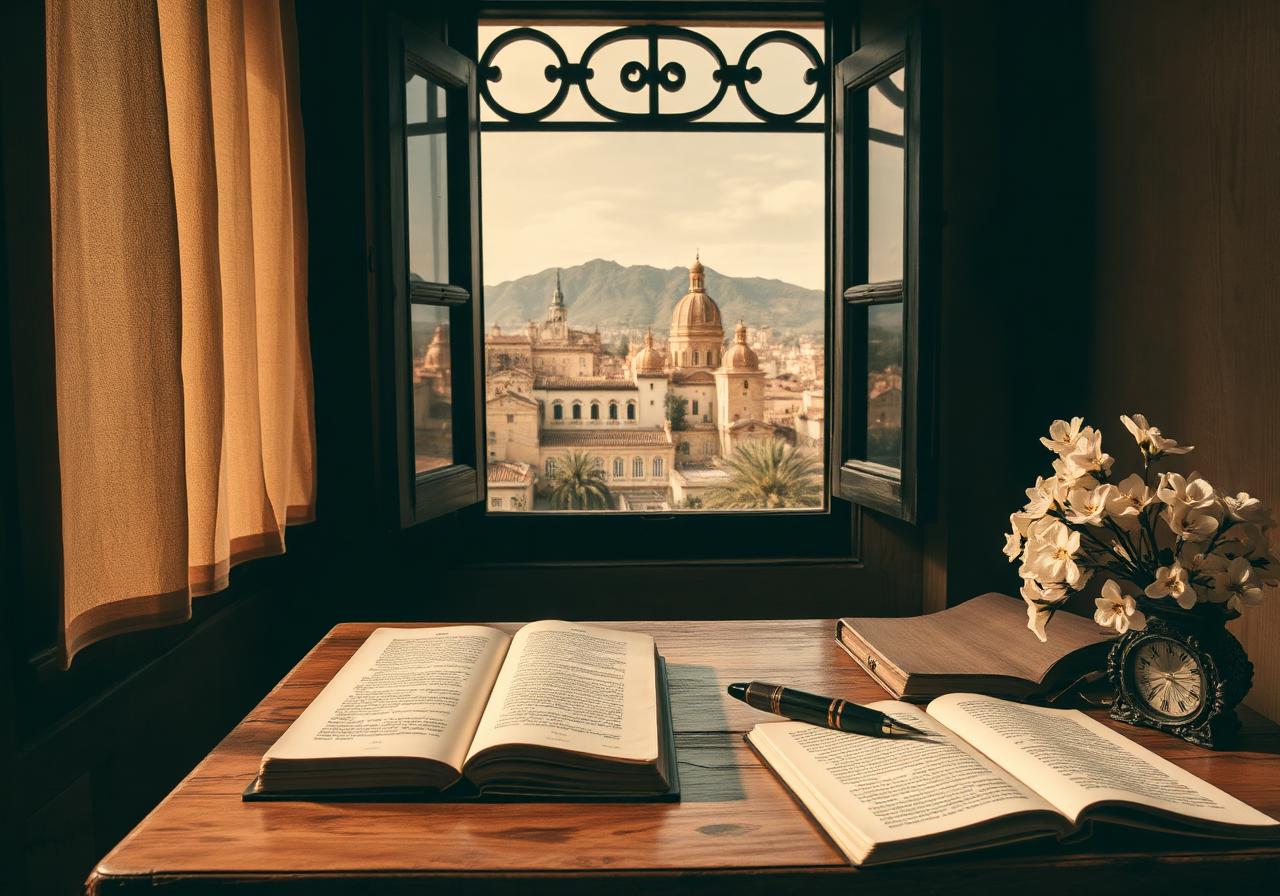
Federico García Lorca
Granada's universal poet.
Read Federico García Lorca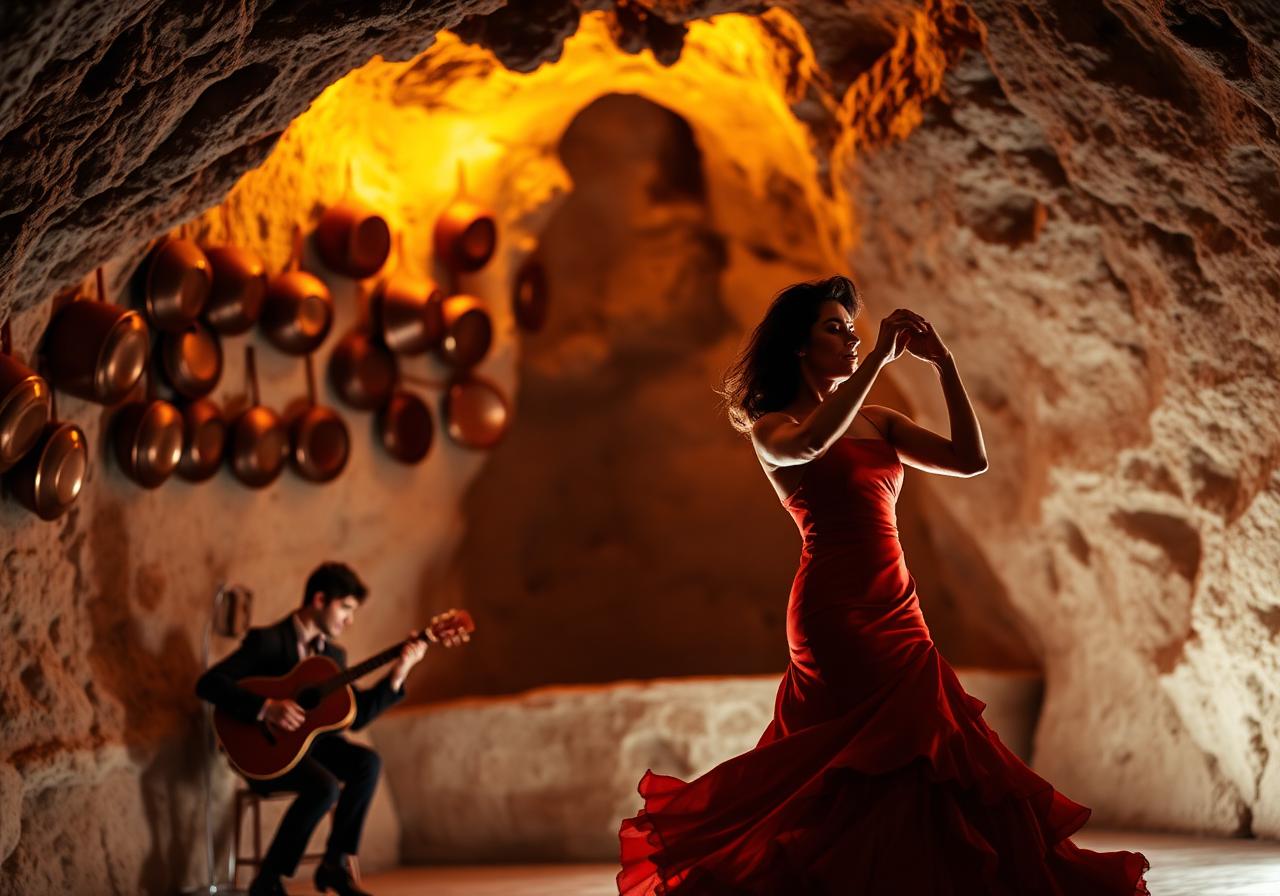
Flamenco and cave culture
The zambra: Granada's own flamenco.
Read Flamenco and cave cultureAndalusi legacy
What Al-Andalus left to Granada and the world.
Read Andalusi legacyFrequently asked questions
How long did the Nasrid kingdom of Granada last?
From 1238 under Muhammad I to the handover of the city in January 1492: over 250 years as the last Andalusi state on the peninsula.
Where can you see Andalusi Granada today?
In the Alhambra and Generalife, in the street plan and cisterns of the Albaicín, in El Bañuelo on Carrera del Darro, and in the Alcaicería, Madraza and Corral del Carbón.
How is Lorca connected to Granada?
He was born in the Vega, grew up between city and countryside and wrote much of his work with Granada in mind. He was murdered in 1936 near Alfacar, and his memory remains central to the city's cultural life.